A Designer's Take on the Little Snuggle Bunny Embroidery File
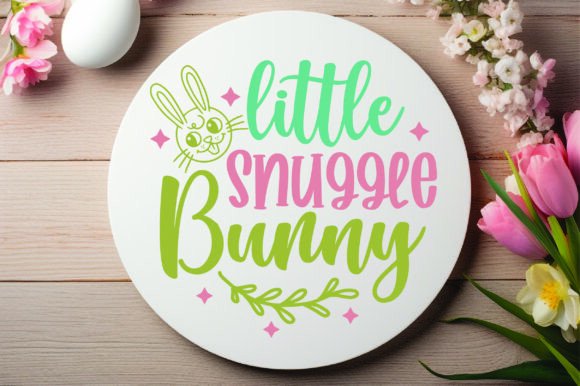
As someone who stitches for both clients and my own shop, the first thing I do with a new design is picture it in a finished product. So when I downloaded the Little Snuggle Bunny bundle, I immediately imagined it stitched onto a linen tea towel or the corner of a cozy baby blanket. This design isn’t just a graphic; it’s a mood. The rounded, gentle shape and soft lines create a feeling of quiet comfort—perfect for handmade items meant to be cherished.
The Instant Appeal & Where It Naturally Belongs
The personality here is sweet without being overly cartoonish. The detail level strikes a great balance: enough character to be engaging, but not so intricate that it becomes a nightmare on textured fabrics. This makes Little Snuggle Bunny a versatile candidate. I see it shining on personalized gifts like embroidered pillow covers for a nursery, or as a charming accent on a kitchen apron. For small business owners, it would be a lovely, consistent addition to a line of boutique baby items or spring-themed market merchandise.
Thinking Through Real Embroidery Scenarios
Let’s walk through a typical project. Say I’m preparing a custom embroidered tote bag for a client’s birthday gift. I’d pull the bunny file, likely using the vector format for clean scaling. My immediate consideration is stitch clarity. The design’s solid, defined shapes suggest it will translate well to satin stitches and fill stitches, holding its visual integrity even on the bag’s canvas fabric. The outcome would feel professional and polished, which directly boosts customer trust and the perceived value of the handmade product.
For apparel decorators, imagine this on the cuff of a women’s sweatshirt or the front of a cotton cap. The theme is universally likable, which is key for commercial embroidery and craft fair products. It engages buyers because it’s recognizable and warm, making it a strong candidate for holiday gifts or wedding shower presents. Its scalability from the provided files means I could offer it on different sizes without losing quality, from a small patch to a larger centerpiece on a blanket.
Where to Exercise a Bit of Caution
No design is perfect for every situation, and practical experience teaches you to be cautious. For Little Snuggle Bunny, the areas I’d pay special attention to are small hoop sizes and dense stitch areas. If you’re planning to stitch a very miniature version on something like a delicate baby sock, you’d need to check the stitch density in the file to ensure it doesn’t pucker the thin fabric. Similarly, on dark fabric backgrounds, thread color contrast becomes paramount. The design’s soft personality might require brighter or lighter threads to pop against a navy or black sweatshirt.
Stretchy fabrics and curved surfaces, like caps, always demand extra testing. The bunny’s rounded form is generally forgiving, but you’d want to use the proper stabilizer and possibly adjust the layout to fit the curvature without distortion. For products destined for frequent washing, like kitchen towels or children’s clothes, a clean, secure stitch path with good coverage will ensure the bunny stays “snuggly” for years.
How This Design Impacts Your Craft Business
Beyond the stitch itself, using a well-executed design like this affects your brand. When a customer sees a clean, cheerful bunny embroidered on their purchased item, it reinforces your professionalism. It makes the product feel intentionally crafted, not just hastily applied. For Etsy sellers and digital product sellers, the included multi-format bundle (AI, SVG, PNG, JPG, DXF, PDF, EPS) is a significant asset. It allows you to create cohesive printable mockups, vinyl decals for branding, or stencil templates for related crafts, creating a unified look across your shop.
The design’s giftability is high. It evokes a sense of tenderness, making it ideal for personalized products celebrating new beginnings, spring holidays, or simple expressions of care. This emotional connection is what turns a standard embroidery project into a memorable finished product.
Essential Designer Notes Before You Hoop the Fabric
My final advice, drawn from routine practice, is always to test. Run the embroidery file on a piece of scrap fabric that mimics your final product’s texture. This reveals any potential issues with tiny details or thread buildup. Check how it looks in both black and white digital mockups to gauge its versatility across light and dark backgrounds.
Since the product description states the files can be used for many purposes, including commercial designs, it’s crucial to confirm the specific licensing terms for your intended use. If you plan to sell the embroidered items or use the graphics for your craft business branding, ensure your usage aligns with the seller’s policy. Never assume.
Finally, consider the overall composition of your product. The Little Snuggle Bunny is a strong, standalone graphic. It can also work as a decorative accent paired with simple text or other natural motifs. By approaching it with this practical, observational mindset, you transform a digital Crafts and Graphics asset into a reliable, profitable part of your creative work.