We Shine Together: A Designer’s Look at a Versatile Embroidery File
The First Impression: Warmth and Connection
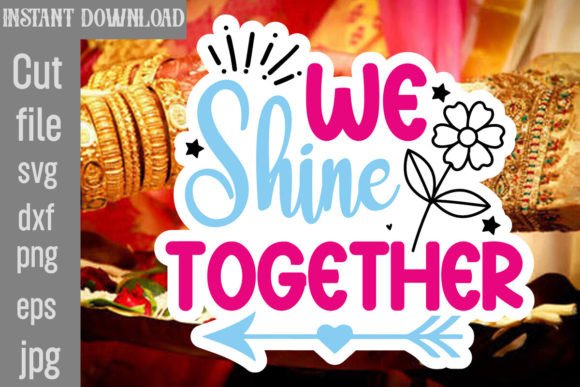
When I first opened the We Shine Together SVG cut file, my immediate thought was, “This is a hug in design form.” The intertwined elements and the theme of shared light create a mood that’s inherently warm and connective. It’s not overly sentimental; it has a clean, contemporary personality that feels both personal and professional. The layout is balanced, with a level of detail that suggests it will translate well into stitches without becoming a dense, thread-heavy nightmare. This isn’t just a graphic; it’s a visual story waiting to be told on fabric.
Where This Design Naturally Belongs
This design feels destined for projects that celebrate relationships or shared purpose. I pictured it immediately on a custom embroidered tote bag for a mother-daughter duo, or as a central motif on a personalized sweatshirt for a close-knit team. Its theme makes it a strong candidate for wedding gifts, like an apron for the couple, or nursery decor—a sweet, subtle statement on a baby blanket. For small business merchandise, especially brands focused on community, collaboration, or handmade goods, this could be a powerful piece of branding embroidery on staff apparel or shop aprons.
A Real-Life Scenario: Crafting a Boutique Tea Towel
Let’s walk through a practical use. Imagine you’re an Etsy seller preparing a line of high-quality kitchen towels for the holiday season. You want a design that feels giftable, special, but not overly niche. Loading the We Shine Together embroidery file, you test it on a scrap of linen-cotton blend. The clarity of the shapes means the satin stitch borders will define nicely, and the open areas allow for a lighter fill stitch, keeping the fabric from becoming too stiff—a key point for functional items like towels. The result is a handmade product that looks considered and professional, elevating a simple towel into a meaningful personalized gift.
Performance Across Real Embroidery Projects
This file’s versatility lies in its adaptable detail. On a custom apparel like a t-shirt, using proper stabilizer for the stretchy fabric, the design can shine without puckering. For embroidered patches, the elements are distinct enough to maintain recognition even when reduced slightly. It would hold its own on caps, though you’d need to be mindful of the curved surface and possibly adjust the size. As a digital embroidery file, the provided vector formats are exactly what you need for scaling cleanly to different hoop sizes without losing integrity, crucial for everything from a delicate baby clothes accent to a statement on a pillow cover.
For craft business owners, this design adds value. Stitched onto a simple tote, it transforms a blank canvas into a product with emotional appeal, likely increasing customer engagement in your shop listings. The clean execution supports professionalism and customer trust—it looks like you invested in a good design, which reflects care in your finished product.
Where to Exercise a Bit of Caution
Like any design, it has best-use scenarios. On very small hoop sizes, some of the finer connective details might merge if the stitch density is too high. I’d advise testing on scrap first. On heavily textured fabrics like some blankets, or very thin fabric, the contrast might need careful thread color selection to ensure the “shine” theme remains clear. For projects on dark fabric, a bold, light thread palette will be essential to carry the uplifting mood. And for items destined for frequent washing, like kids’ apparel, ensuring the stitch structure is secure and using quality thread will maintain that handmade presentation over time.
The Commercial Embroidery Consideration
If you’re an apparel decorator or a creative entrepreneur selling physical products, this design has commercial appeal. It’s broad enough to resonate with many customers yet specific enough to feel special. However, always confirm licensing for your intended use. The product description states it’s a digital download with common vector and raster files, but the terms for selling finished items or using it in commercial embroidery projects should be verified by the designer or seller. This is a non-negotiable step for professional operation.
Practical Designer Notes Before You Hoop
My routine with any new file involves a dry run. For We Shine Together, I’d recommend:
- Running a test on a scrap of your target fabric—check for how the details translate and the overall stitch density.
- Playing with thread color contrasts, especially imagining it on both light and dark backgrounds. Sometimes a design looks different in a black-and-white mockup versus a colored thread simulation.
- Considering the final product size. Does the design need scaling? The provided SVG, DXF, and EPS files should handle that well, but always inspect small details after resizing.
- Choosing the right stabilizer for your fabric type to keep the embroidery crisp.
- Thinking about the end-use. Is this for a one-off personalized gift or for a line of small shop merchandise? That might influence your choice of fabric and thread quality.
The Final Stitched Impact
Ultimately, the We Shine Together SVG cut file is a design asset that brings a feeling of unity to the forefront. When stitched well, it enhances the visual appeal of your project through its positive theme and clean execution. It can increase the perceived value of a simple item, making it more giftable and memorable. For makers and sellers, it offers a reliable, adaptable design that can fit into multiple niches within the Crafts and Graphics world, from hobbyist joy to entrepreneurial product lines. It reminds us that the best embroidery often stitches more than just thread—it stitches a feeling.